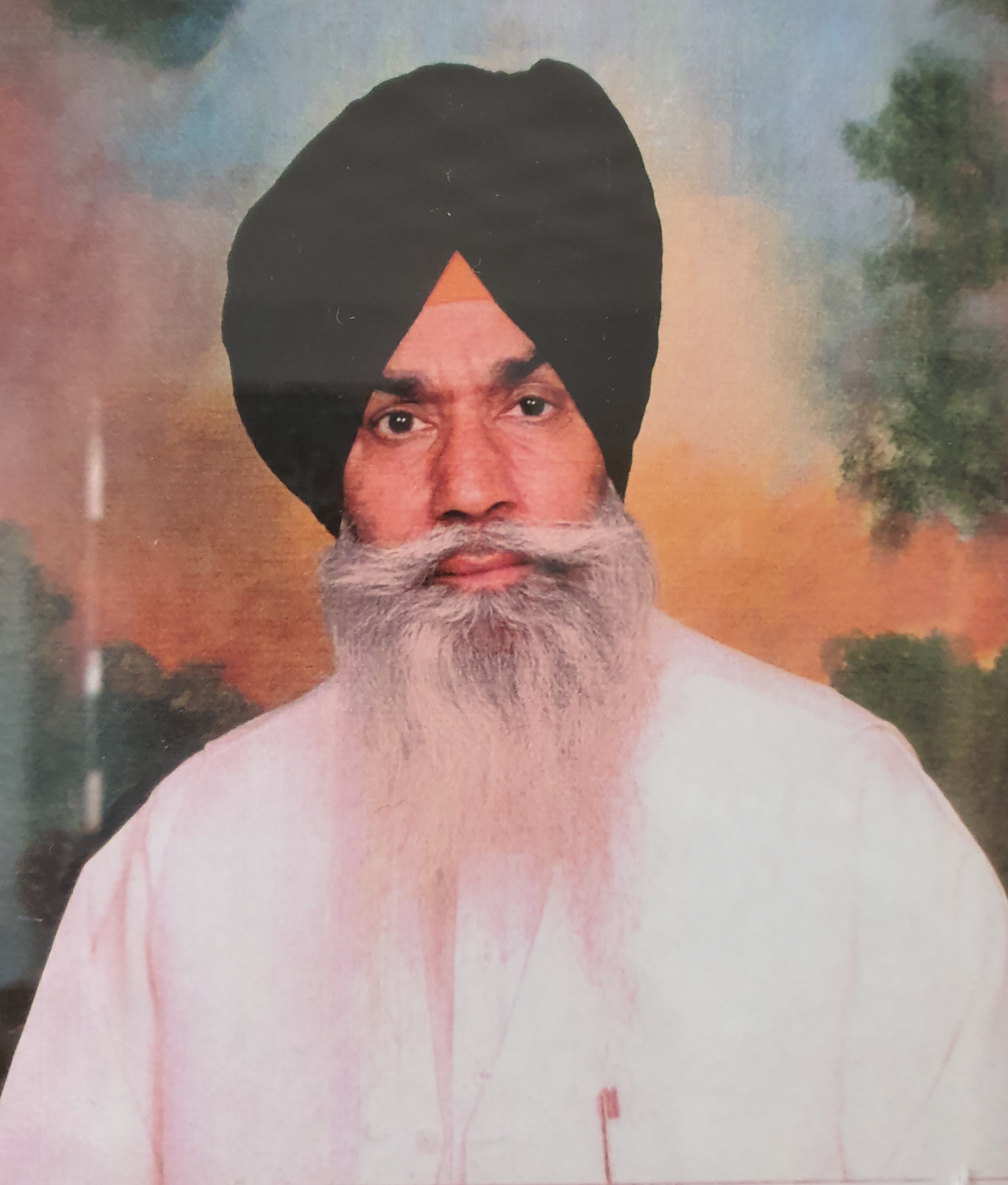
Gurmat Sangeet
Gurmat Sangeet is not simply music, and it is not Shastriya Sangeet, the highly notational form of Indian classical music. Gurmat Sangeet is music infused with Gurbani and its meaning. It promotes a disciplined lifestyle, good ethics, and living in tune with the Lord and His Hukam (command).
At its heart, Gurmat Sangeet is a musical tradition nearly five centuries old, woven into the very foundation of Sikhi. It began with Guru Nanak Dev Ji, who travelled with his companion Bhai Mardana singing the divine message rather than simply speaking it — establishing music not as decoration, but as the vehicle through which Gurbani itself is understood and absorbed. Every Guru after him, through to Guru Gobind Singh Ji, carried this tradition forward, and it continues in gurdwaras around the world to this day.
Rooted in Raag
Unlike classical music traditions that exist independently of any text, Gurmat Sangeet is inseparable from the words it carries. Within the Sri Guru Granth Sahib Ji, each shabad is written under the heading of a specific raag — a melodic framework chosen deliberately, not decoratively. Dozens of raags are used across the Guru Granth Sahib, each associated with a particular mood, time of day, or season, so that the feeling of the music supports the meaning of the words rather than existing apart from them.
This is what separates Gurmat Sangeet from Shastriya Sangeet. Classical Indian music can be, and often is, purely instrumental or technical — a display of notation and skill. Gurmat Sangeet cannot be separated from Gurbani. The raag serves the shabad; the shabad never serves the raag.
A Way of Life, Not Just a Sound
Gurmat Sangeet was never meant to be performance for its own sake. It is a discipline — one that shapes how a person lives, not just how they sing. To engage sincerely in Gurmat Sangeet is to cultivate humility, patience, and steadiness of mind, and to bring one’s own conduct into alignment with the values expressed in the very words being sung. This is why the tradition speaks as much to character and ethics as it does to music theory.
A Living Tradition
Over the last century, much of Sikh kirtan shifted toward simpler, harmonium-led styles, and the older, raag-based traditional forms became rarer. In more recent decades, however, there has been a renewed effort — through institutions, academies, and dedicated teachers — to preserve and pass on the original Gurmat Sangeet tradition, along with the traditional instruments and raag forms that carried it for centuries.
It is this living, disciplined, deeply spiritual tradition that Bhai Inderjeet Singh Ji has dedicated his life to — a path of Kirtan and seva rooted not in performance, but in devotion.
It is this living, disciplined, deeply spiritual tradition that Bhai Inderjeet Singh Ji has dedicated his life to — a path of Kirtan and seva rooted not in performance, but in devotion.
Bhai Inderjeet singh Ji emphasised Gurbani over the Sangeet — yet never as one apart from the other. For him, the shabad and the music went hand in hand, each carrying the other so that the core message could be truly conveyed in purity and Gurbani remains superior.
Bhai Inderjeet Singh Ji often said that Kirtan is not a skill. It is a virtue, gifted only to the blessed.